Wai
The wai (ไหว้) is Thailand's traditional greeting: palms pressed together in front of the chest or face, with a slight bow, instead of a handshake. The height of the hands and the depth of the bow signal respect and social hierarchy — higher for monks, elders, and people of higher status, lower and more relaxed between peers. Foreigners aren't generally expected to wai first, but returning one, roughly matching the height and effort of the other person, is read as basic good manners. For a foreigner meeting a Thai partner's family for the first time, getting the wai right — or at least trying — is often the very first impression that gets made, before a single word is exchanged.
Frequently asked questions
Do foreigners need to wai in Thailand?
Not always first, but returning a wai when someone offers one is expected. Thai people generally don't expect foreigners to know the exact rules, but making an effort is noticed and appreciated, especially the first time meeting a partner's family.
Who wais first in Thailand?
The younger or lower-status person generally wais first, and the higher-status person (an elder, a monk, a boss) returns it with a smaller gesture or sometimes just a nod. Height and depth of the wai signal the relative social position of the two people.
Stories related to Wai
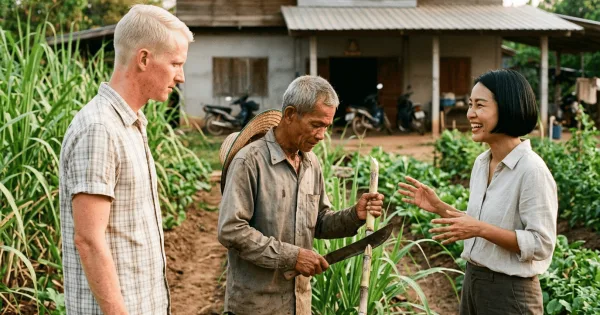
We shared a room with separate beds and her family wouldn't let me pay for a single meal. My last night, she chose to sleep somewhere else.
After seeing plenty of bar scams in Thailand, a Swedish man was introduced online to a woman from Isaan looking for something serious. Months of daily calls and a visit to her family later, the relationship never quite came together. It wasn't the love story he hoped for, and it wasn't a scam either.
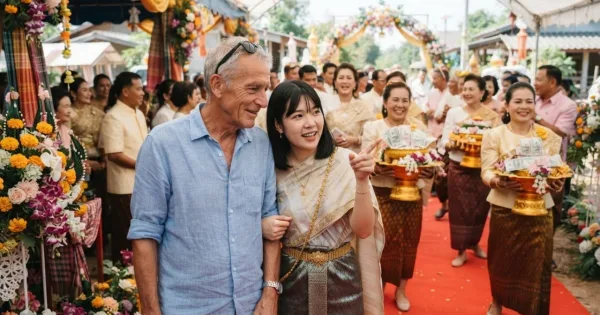
At 60, I flew to a village in Isaan for a wedding that wasn't mine, and for a few hours it felt like it was.
I was 60 when Kop, 37 years younger than me, brought me to her cousin's wedding in a village in Isaan. I met her parents, slept apart from her out of respect for her family's rules, and watched a full traditional Thai wedding, dowry included, feeling for a few hours like part of a family I barely knew.
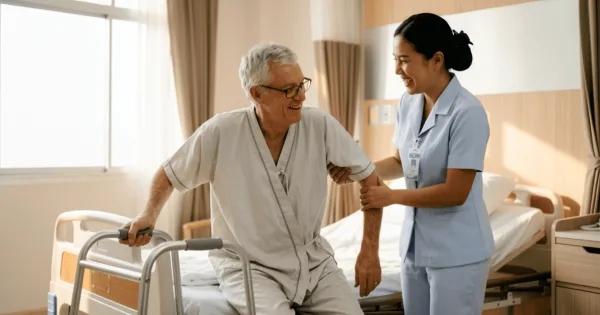
I came to Udon Thani for a two-week hip surgery. The nurse who cared for me those two weeks is now my wife.
Peter, a 62-year-old Australian, travels to Udon Thani to have hip surgery at a private hospital, avoiding the long public waiting list back home. Ploy, the head nurse on his ward, becomes far more than his carer during recovery.
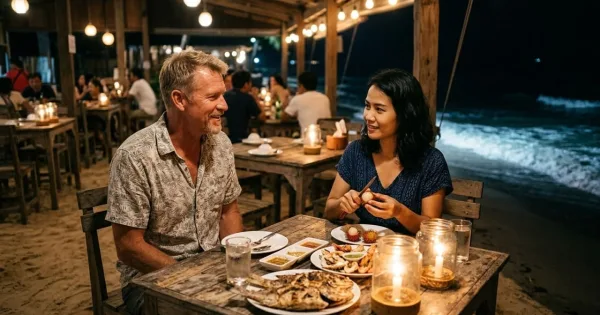
She suggested I spend some time in Pattaya alone. I didn't know it was a test, and I failed it.
A 54-year-old South African met Noi, 32, near Khao San Road in 2019. She never asked him for money despite her troubles, and the Koh Chang trip was perfect. But one night of drinks in Pattaya without her changed everything, and the pandemic finished it off.
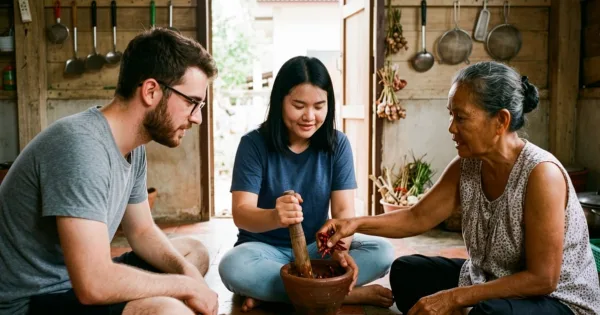
Her mum had always planned for her to move to Germany and run the family business. I showed up two weeks before that was meant to start.
A 25-year-old British English teacher met Nisa in Khon Kaen, a university graduate from Isaan with zero interest in the nightlife scene. Her mum, living in Germany, had other plans for her daughter. This is the story of how he won the family over and decided to stay in Thailand.